What we know so far about GNOME 52 "Terengganu"
It's still months away, but there are some potential upgrades being worked on around app installation and management.

When GNOME 51 arrived in September 2026, the development team behind the open source desktop environment was already planning and building the next iteration. This list will be regularly updated with information about GNOME 52, nicknamed "Terengganu" after the the Malaysian city where GNOME.Asia Summit 2026 happened.
When to expect it: The stable version of GNOME 52 won't arrive on mainstream Linux distributions until March 13, 2027 at the earliest.
- Want to try it early? The GNOME 52 alpha release for early testing is planned for January 9, 2027. The more stable beta release will follow on January 30.
What might be coming
The following are either being worked on in anticipation of the GNOME 52 release, or at least have been discussed as real possibilities. Since we're still a long way out, none of this is for sure.
- New software store: The default GNOME Software app, which you use to find and install new apps, may be replaced with Bazaar. It's a Flatpak-centered app initially developed for Bazzite Linux but has become popular in the wider Linux community, and also became a part of the GNOME Circle program this past summer.
- Replacing GNOME Software with Bazaar in GNOME 52 was discussed at GUADEC 2026. Since then, a long discussion about it has continued on GNOME's GitLab instance, with concerns being raised about the Flatpak focus and about Bazaar's current ability to fully and effectively replace GNOME Software.
 Jordan Gloor

- Default terminal app: When you choose your default apps, you may have a new option to select the terminal emulator that opens when you use the
Ctrl+Alt+Tkeyboard shortcut or any other "open in console" shortcuts.- According to the GNOME development work item, this feature would actually be the return of a long-lost option. There was a graphical option to set the default terminal in GNOME 2 and some versions of GNOME 3, but it disappeared.
What's definitely coming
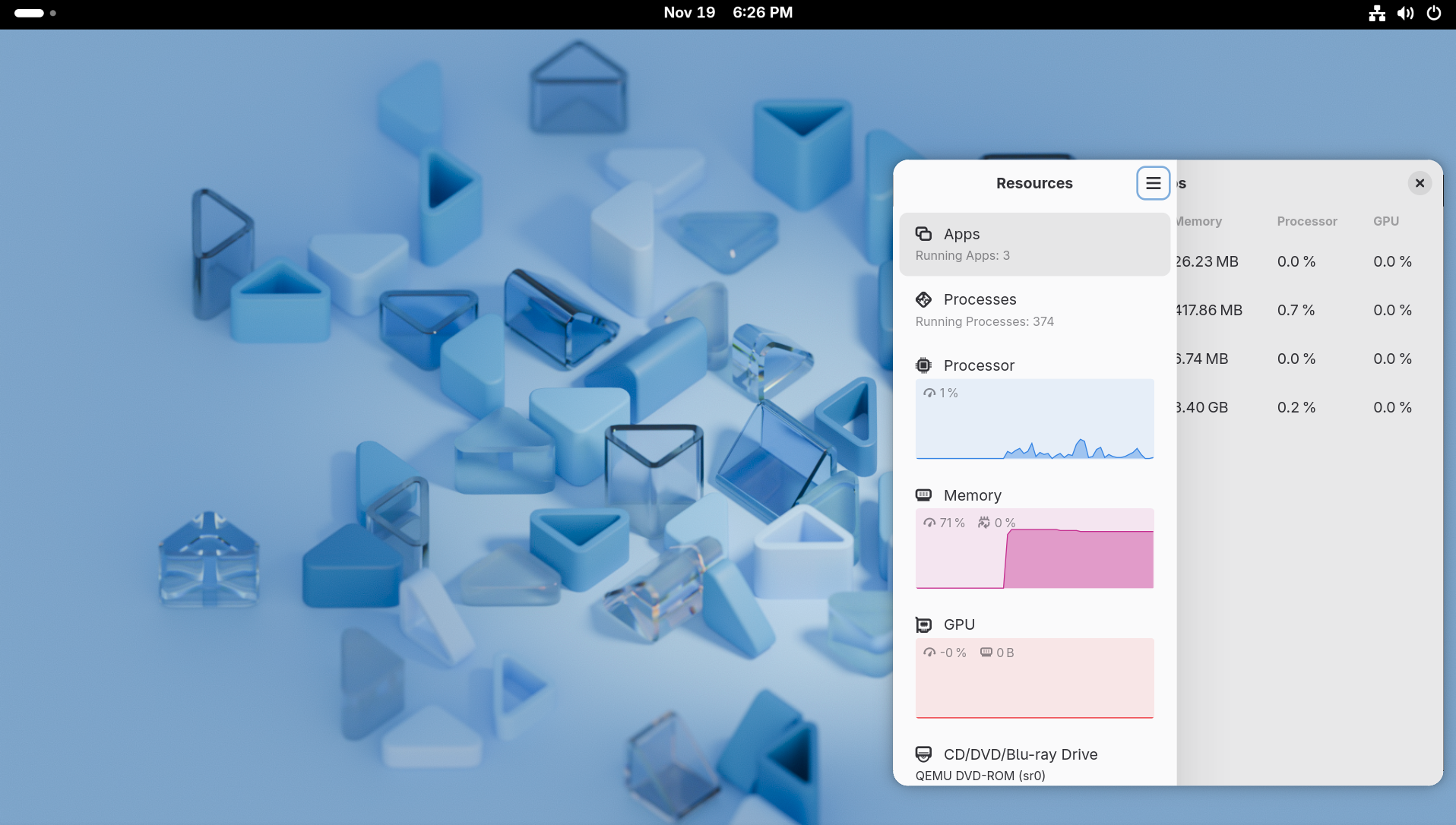
There are already several small improvements made to various aspects of GNOME, including the calendar app and image viewer. They aren't worth going into detail about here, but you can certainly expect an enhanced quality-of-life in GNOME 52.
Zooming out
Why this update matters: GNOME is one of the most popular desktop environments in the open source computing world, with it being the default option for Ubuntu and several other Linux distributions.
My take: I know a lot of people are opinionated about terminal emulators, and there are actually three actively maintained in the GNOME ecosystem, so I think making it easy to select your preferred option is sensible.
Diving in
Get a look now: If you want to try out the latest version of GNOME in testing, you should download and try GNOME OS Nightly. You can install it on bare metal or as a virtual machine, but it's not meant for use as a daily driver.